

-
 Written By:
Alex Herrera
Written By:
Alex Herrera
-
 Edited By:
Phyllis Rodriguez, PMHNP-BC
Edited By:
Phyllis Rodriguez, PMHNP-BC
-
 Clinically Reviewed By:
Dr. Ash Bhatt, MD, MRO
Clinically Reviewed By:
Dr. Ash Bhatt, MD, MRO
Key Takeaways
- Street drug addiction today is rarely about one substance. Contamination and intentional mixing mean many people are exposed to multiple drugs without realizing it.
- Poly-substance addiction develops quietly. What starts as using one drug for energy, sleep, or escape can evolve into layered dependence across several chemicals.
- Mixed drug use dramatically increases overdose risk. Combining depressants, stimulants, and synthetic opioids like fentanyl makes outcomes far less predictable.
- Detox and treatment must be specialized. Medical detox for poly-substance addiction requires careful monitoring, psychiatric support, and individualized planning.
- Integrated care improves long-term outcomes. Addressing co-occurring mental health conditions through dual diagnosis treatment reduces relapse risk.
What Is Poly-Substance Addiction?
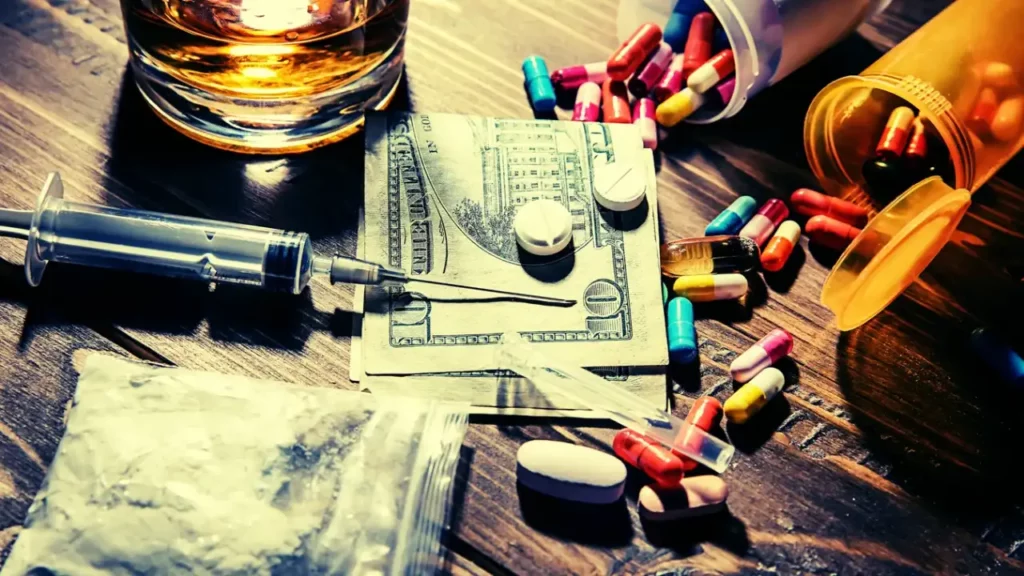
Poly-substance addiction (also called polysubstance use or polydrug use) refers to a pattern where a person consumes two or more drugs either together or within a short time period. This includes illicit street drugs, alcohol, and even prescription medications used without medical direction.
There are two main ways this happens:
- Intentional use, where substances are combined to alter or enhance effects.
- Unintentional use, where the drug supply itself contains additional substances (like fentanyl) that the user is unaware of.
Even when someone believes they’re using only one drug, contamination or cutting agents can mean multiple substances are present, which can accelerate addiction and increase fatal risks.
Why Street Drug Use Is More Dangerous Today
In the modern underground market, drugs are often mixed, adulterated, or misrepresented. Dealers may add cheaper substances to stretch products or to intensify effects, but this practice drastically changes the risk profile.
Illicit fentanyl, a synthetic opioid far stronger than heroin, is increasingly found in counterfeit pills, methamphetamine, cocaine, and other street drugs. Even tiny amounts can cause fatal respiratory depression, especially when combined with depressants like alcohol or benzodiazepines.
A large drug-testing report found that most individuals who tested positive for fentanyl also had additional substances in their systems, highlighting how frequently drugs are mixed today.
Rise of Street Drugs to Mixed Chemical Exposure
Historically, street drug addiction was primarily tied to the substance someone intentionally chose. In fact, due to modern illicit drug supply, there is a widespread exposure to fentanyl-laced drugs such as cocaine and counterfiet pain pills even among people who never intended to use opioids.
This means someone using a stimulant recreationally may unknowingly develop opioid dependence. As a result, that choice often leads not just to tolerance and dependence on one drug, but to layered exposures that increase toxicity, unpredictability, and addiction potential
Fentanyl and Other Contaminants in Street Drugs
The presence of fentanyl in illicit drugs is one of the primary drivers of poly-substance addiction and overdose risk. Synthetic opioids like fentanyl are far more potent than traditional street opioids. Even small doses dramatically increase risk.
Research shows that a vast majority of individuals testing positive for fentanyl also have other substances in their system, such as methamphetamine or heroin, reinforcing that fentanyl exposure is often part of broader mixed drug use.
The most concerning factor? Many individuals do not know fentanyl is present in their system until detox begins.
With fentanyl contamination so widespread, even occasional or recreational use can lead to complex and dangerous biochemical exposure, accelerating dependency and overdose potential.
How Using Multiple Drugs Changes the Brain
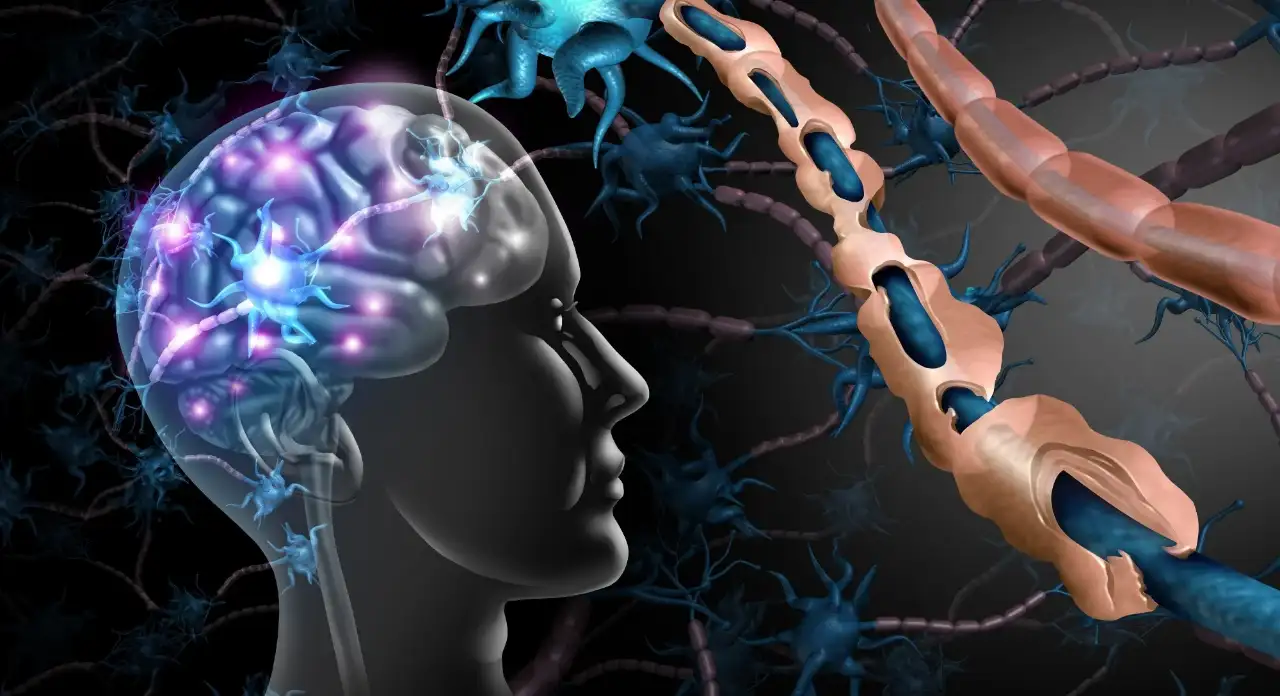
Different drugs affect distinct neural pathways. When multiple drugs are used, they alter the brain in ways single substances do not. Polysubstance use disrupts several neurotransmitter systems simultaneously, making the addiction deeper and more resistant to simple withdrawal.
For example:
- Stimulants like cocaine elevate dopamine, driving reward-seeking behavior.
- Depressants like opioids or alcohol enhance GABA and suppress respiration.
- Sedatives interfere with central nervous system regulation.
When these systems are repeatedly activated together, the brain’s natural ability to regulate mood, stress, and reward diminishes, increasing cravings, destabilizing emotions, cognitive fog, and reinforcing dependence on chemicals instead of natural neural regulation.
Over time, the brain stops responding normally to natural rewards. It becomes dependent on chemical layering.
The Link Between Mental Health and Drug Mixing
Mental health conditions often underlie patterns of mixed drug use. People may use multiple drugs to self-manage symptoms such as anxiety, depression, trauma responses, or stress. Polysubstance use can temporarily alleviate certain emotional states, but it does not treat the underlying condition.
Common co-occurring scenarios include:
- Using stimulants to combat depressive symptoms
- Mixing alcohol with benzodiazepines to reduce social anxiety
- Combining opioids with sedatives to escape trauma memories
Because of this interaction, individuals with untreated mental health disorders are more susceptible to polysubstance addiction. Treatment that fails to address mental health alongside substance use has a much higher risk of relapse.
At Legacy Healing Center, Los Angeles, we prioritize comprehensive psychiatric evaluation alongside substance use assessment to ensure both conditions are treated simultaneously.
Why Many People Don’t Realize It’s Becoming an Addiction
Poly-substance addiction is often hidden because it may not feel like traditional “addiction.” Signs can gradually emerge and overlap with common behavior patterns:
- Needing one drug to manage the side effects of another
- Increasing tolerance to multiple substances
- Using certain substances to manage withdrawal symptoms
- Experiencing blackouts or impaired judgment
- Masking one drug’s effects with another
Because the progression can be subtle, and because the drug supply itself is unpredictable, many individuals do not recognize that they’ve crossed from recreational use into dependency until serious complications arise.
By the time medical detox for drug addiction becomes necessary, the pattern is often deeply established.
The Health Risks of Combining Street Drugs
Mixing drugs significantly increases health risks because the interactions are unpredictable and often harmful. According to health authorities, combining stimulants and depressants can be particularly dangerous: stimulants increase heart rate and blood pressure while depressants slow breathing, a combination that can mask critical danger signs and lead to fatal outcomes.
Notable risks include:
- Respiratory depression
- Cardiac arrest
- Liver and kidney damage
- Neurological impairment
- Increased overdose potential
- Unintentional masking of danger signs, leading to repeated use
The unpredictable synergy of mixed drugs, especially when contaminated by unknown substances, sharply increases the risk of sudden and severe medical events.
Why Medical Detox for Poly-Substance Addiction Requires Expertise
Medical detox for poly-substance addiction is far more complex than detox for a single substance because physiological withdrawal timelines can overlap or conflict. For instance:
- Opioid withdrawal may cause flu-like symptoms
- Alcohol withdrawal risks seizures
- Benzodiazepine withdrawal can be life-threatening without supervised tapering
- Stimulant withdrawal can trigger intense depression or psychosis
These overlapping syndromes require round-the-clock monitoring, medication-assisted stabilization support, and continuous vital sign assessment, which is why medical detox for drug addiction should always be supervised in a clinical setting as it provides:
- 24/7 clinical oversight
- Symptom-specific medication protocols
- Psychiatric evaluation
- Structured stabilization
- Medical stabilization
- Psychiatric care
- Trauma resolution
- Relapse prevention planning
- Long-term recovery support
Recovery from poly-substance addiction is possible, but it requires precision, medical expertise, and integrated care.
Therapies That Effectively Treat Mixed Drug Dependence
Polysubstance addiction does not respond to a single form of therapy. Because this condition involves multiple substances and often co-occurring mental health issues, effective treatment is integrative and personalized.
Evidence-based therapies include:
- Cognitive Behavioral Therapy (CBT) – Identifies and changes thought patterns that support substance use.
- Dialectical Behavior Therapy (DBT) – Develops emotional regulation and distress tolerance.
- Trauma-Informed Therapy – Addresses underlying trauma responses driving substance use.
- EMDR (Eye Movement Desensitization and Reprocessing) – Helps process traumatic memories.
- Motivational Interviewing – Builds internal motivation for change.
These therapies together help individuals understand not just what they are using, but why, and how to build a life that doesn’t depend on drugs.
Conclusion: Recognizing and Treating a Hidden Epidemic
Poly-substance addiction is not a fringe pattern, it is now a central reality of modern street drug use. The spread of fentanyl contamination, unpredictable drug mixtures, and widespread poly-drug exposure have redefined addiction risk and made recovery more complex than ever.
But complexity does not mean hopelessness.
With the right support, medically supervised detox, integrated therapy, dual diagnosis care, and personalized addiction treatment programs, recovery is absolutely possible. The first step is recognizing the full scope of the problem and seeking care that treats more than just one substance.
If you or someone you love is struggling with poly-substance use or street drug addiction, you do not have to navigate this alone. Comprehensive, medically guided treatment can stabilize the body, address underlying mental health concerns, and create a sustainable path forward.
Contact Legacy Healing Center today to speak confidentially with an admissions specialist.
Our compassionate team member can answer your questions, verify insurance, and help you understand the safest next step toward recovery.
Because when multiple substances are involved, getting the right help quickly can make all the difference.